Past-President 2019-2020 Italian Association of Gnathology and Orofacial Pain
DTM and ATM: what they are and how to proceed
Temporomandibular disorders and temporomandibular joint pathologies: what they are and how to proceed
Temporomandibular disorders (TMDs) are diseases of the temporomandibular joint (TMJ) and the masticatory muscles.
There are various associated disorders:
heachache
jaw pain
crooked jaw
jaw lock
noises while chewing (cracking jaw, clicking or crunching jaw)
bruxism (clenching or grinding of the teeth during the day or at night)
persistent neck pain
persistent tinnitus (related to temporomandibular disorder)
Most cases have more than one diagnosis:
21,7 % disordersmuscular And arthrosis
8.3 % Muscle disorders and disc disease
7.5 % muscle disorders, disc disease and arthrosis
2,5% discopathy and arthrosis
The Ministry of Health issued the Clinical Recommendations in Odontostomatology in September 2017 and they are still valid:
When diagnosing TMD, it is important to exclude other causes of orofacial pain or alterations in oromandibular movement and function.
The vast majority of TMDs can be treated with conservative, reversible, non-invasive, non-surgical therapy.
For non-reversible and symptomatic structural alterations of the ATM that do not respond to conservative therapies, invasive/surgical therapies can be evaluated
When there is a TMD associated with other oral cavity pathologies that require prosthetic and/or orthodontic treatment, priority management of the TMD is advisable.
This leads to the indication of a conservative, reversible, non-invasive and non-surgical therapy.
The diagnosis of temporomandibular joint (TMJ) disorders and orofacial pain is often complex and requires a multidisciplinary approach.
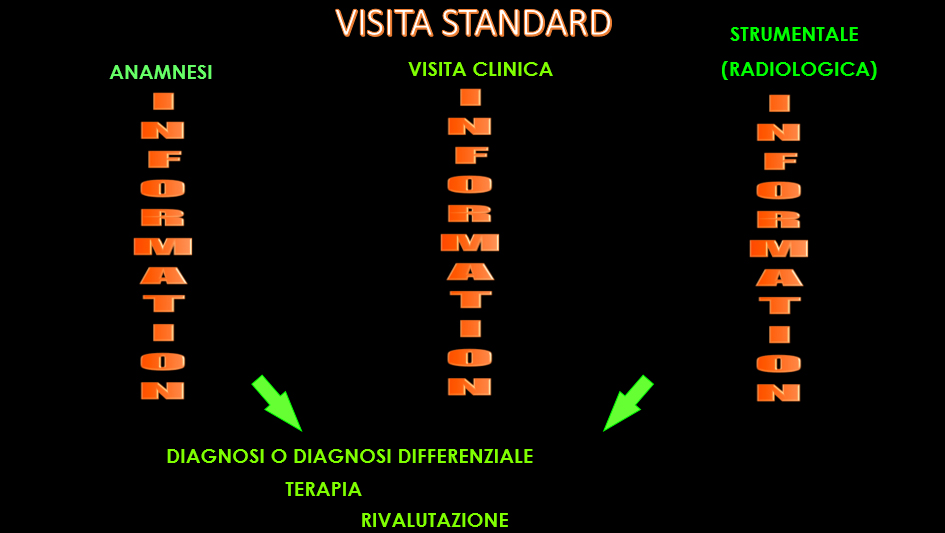
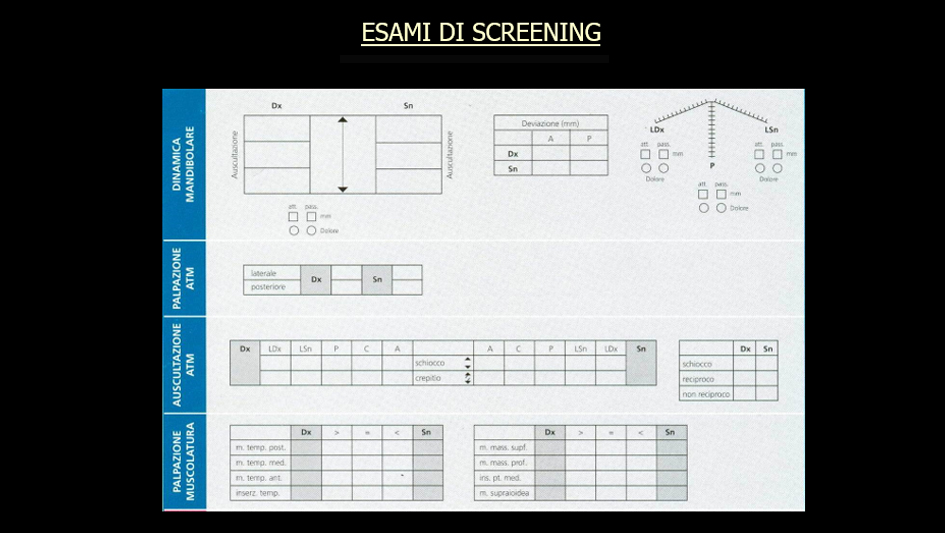
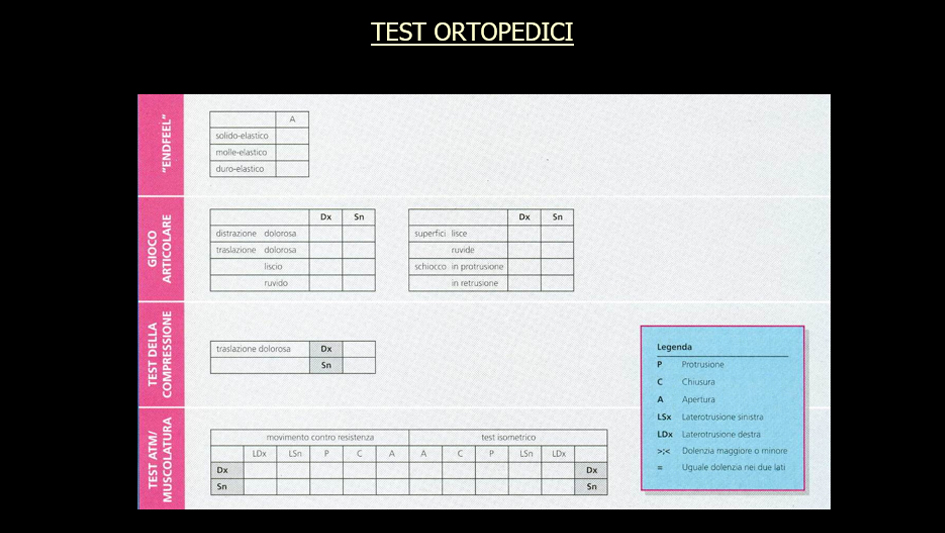
The starting point is a scrupulous anamnesi and a series of gnathological tests. Instrumental tests and imaging tests can be performed. In summary, it is necessary to:
to exclude illnesses masticatory system specifications
perform a differential diagnosis
to formulate a diagnosis correct
set the therapy more suitable
TMJ pathologies may involve:
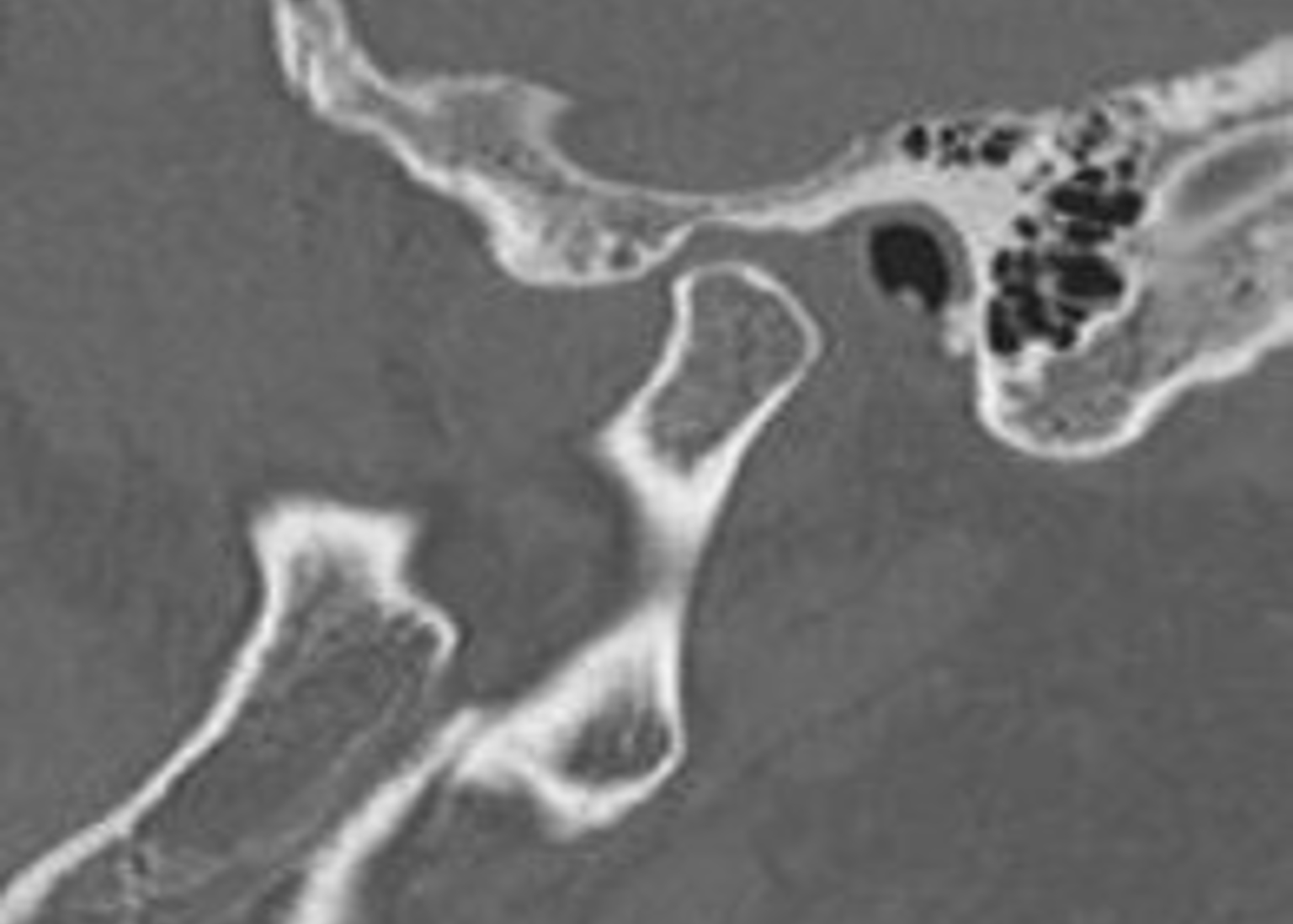
Bone structures
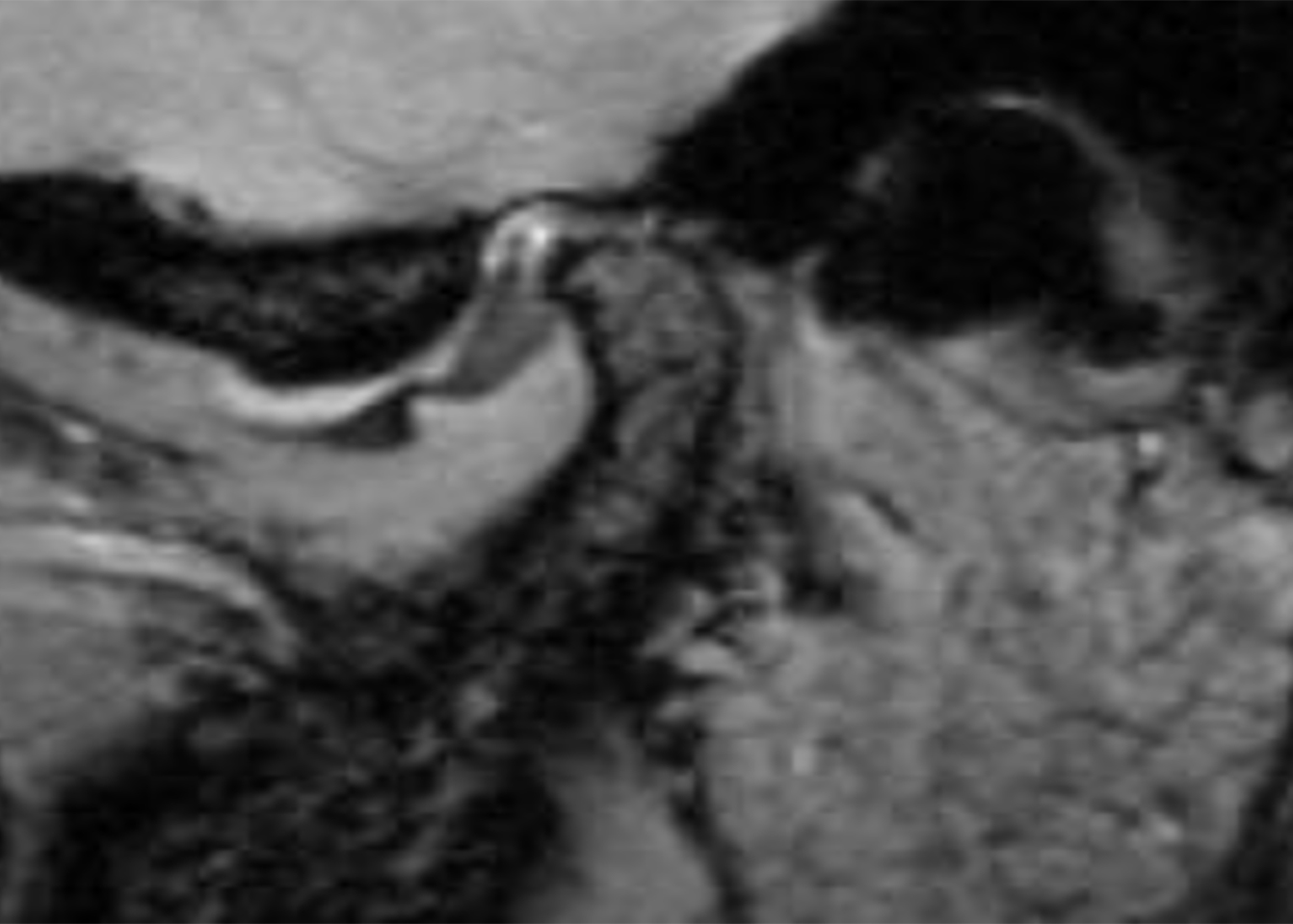
Disc-cartilaginous and articular components
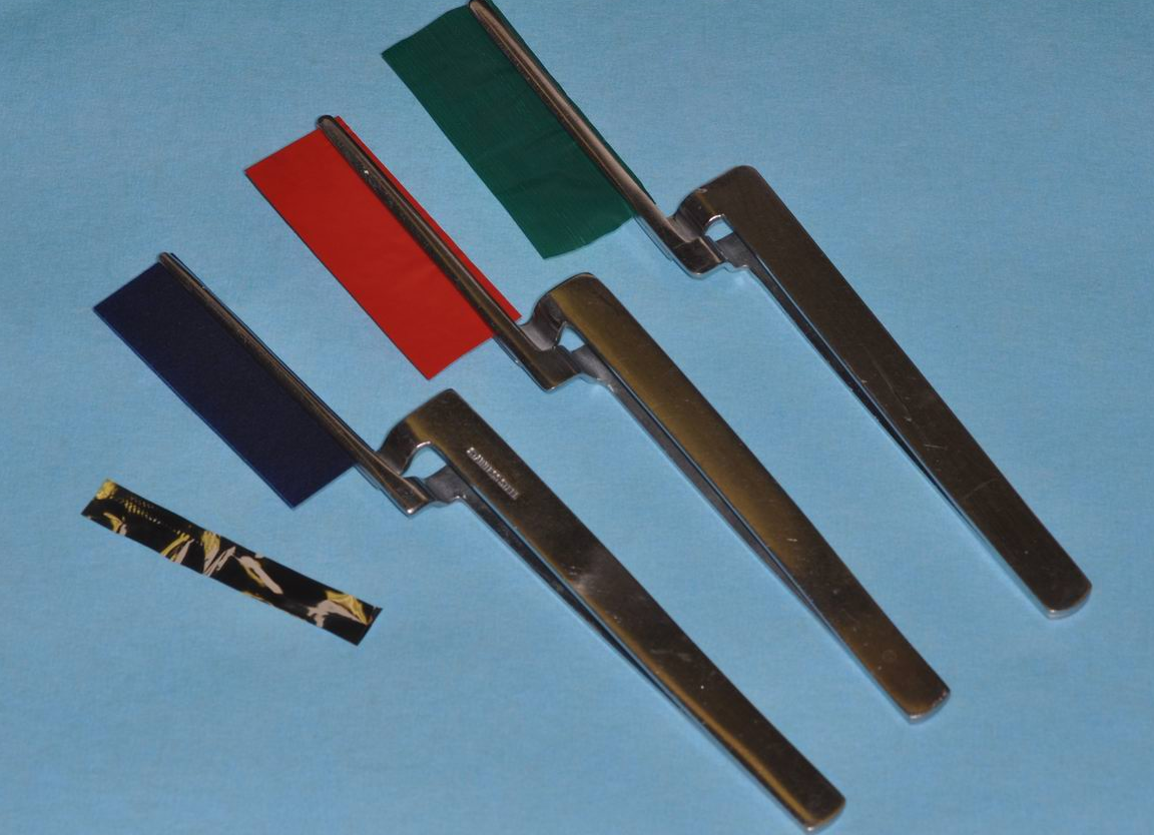
Direct occlusal analysis with occlusal papers
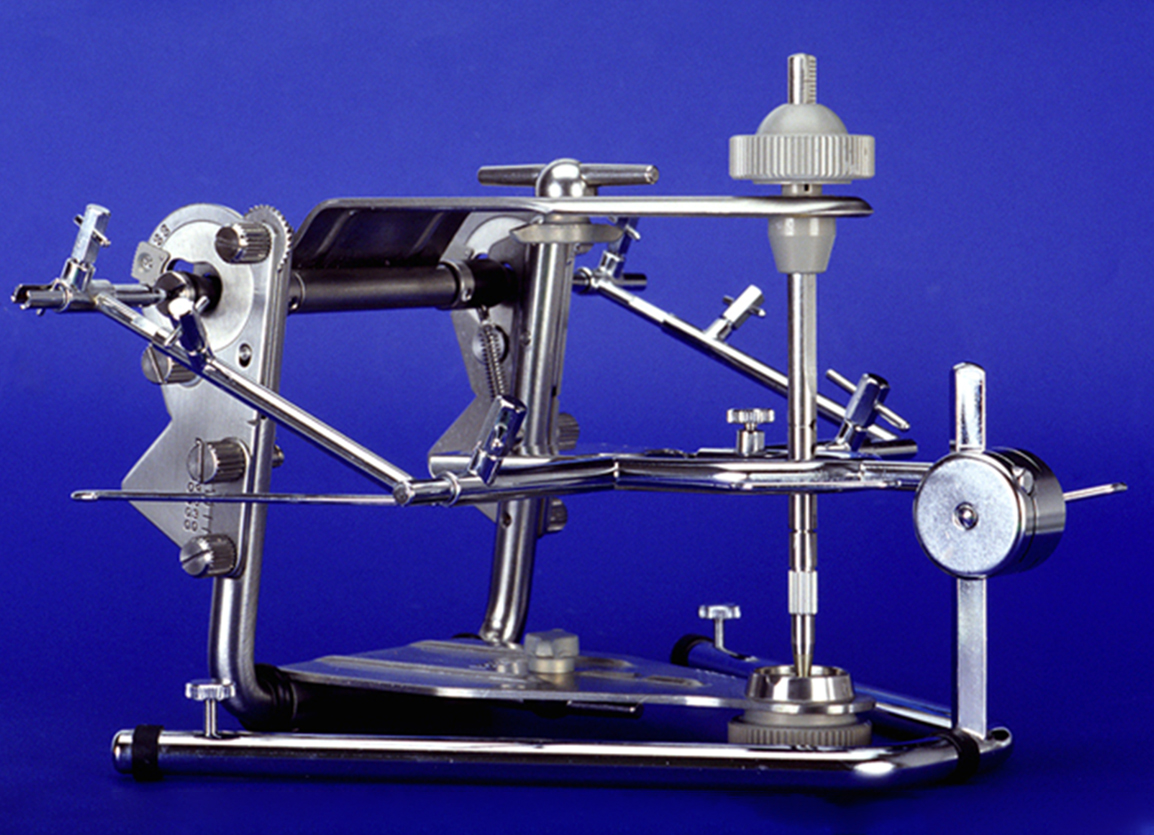
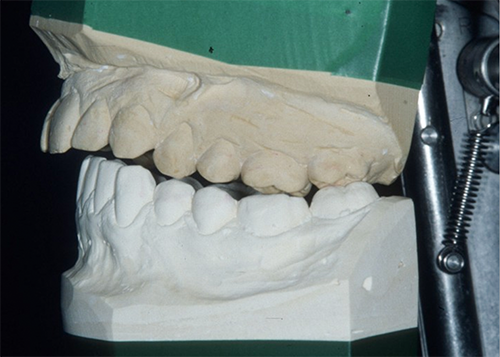
Indirect occlusal analysis with the aid of a face bow and an articulator
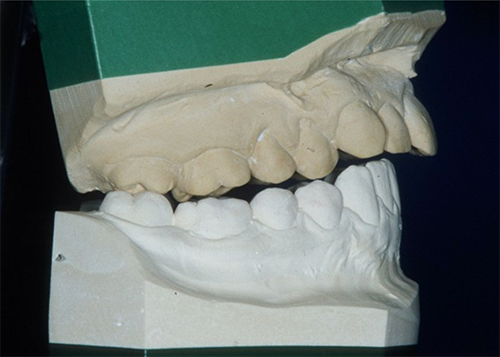
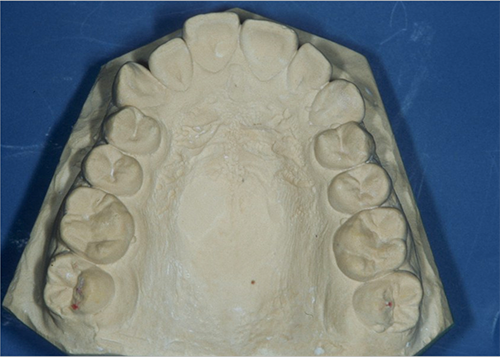
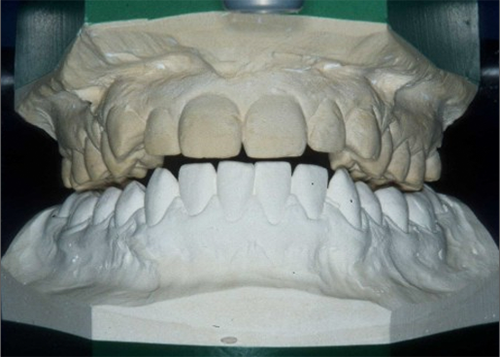
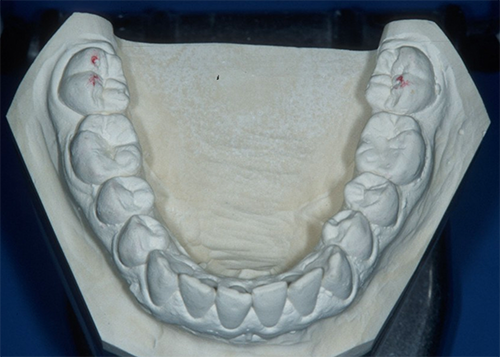
Indirect occlusal analysis: plaster models mounted in an articulator
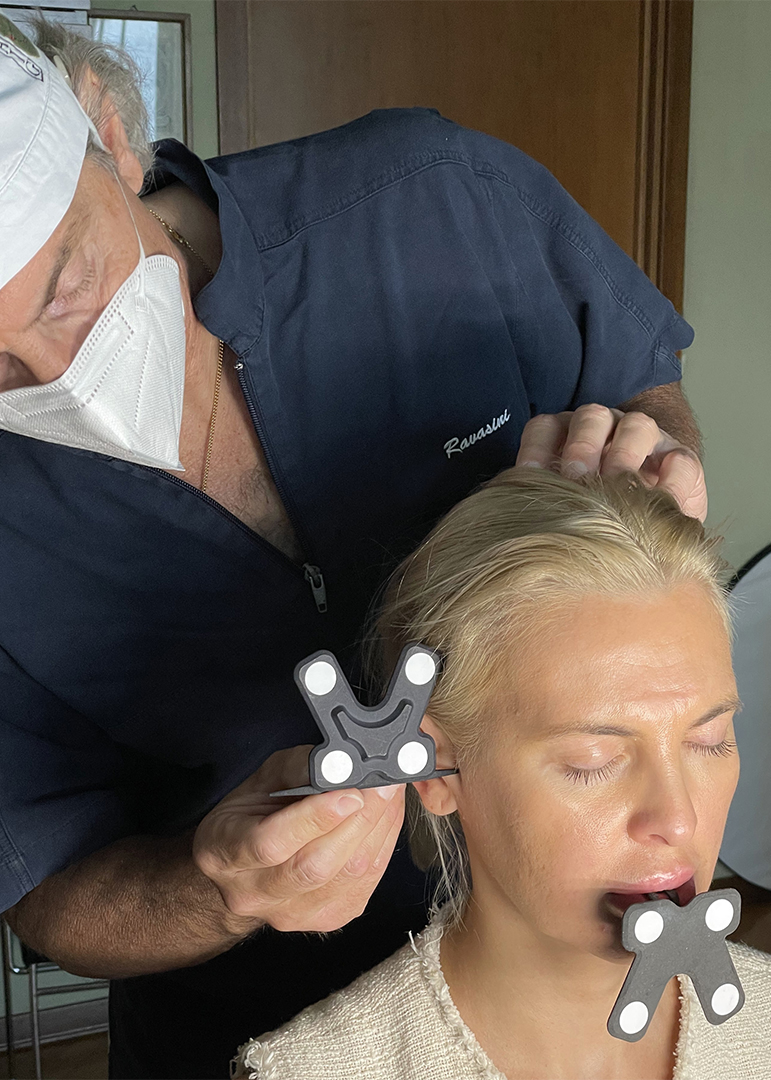
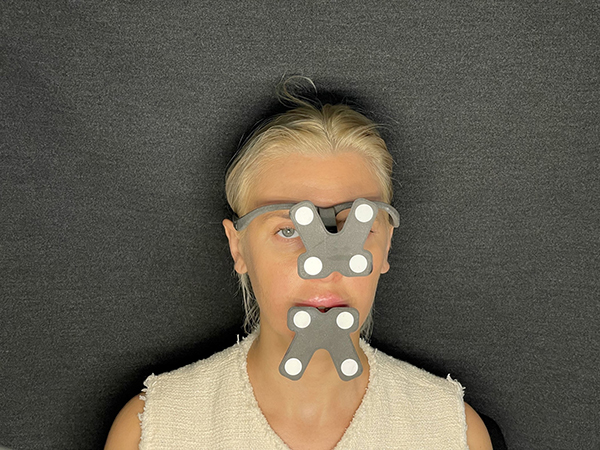
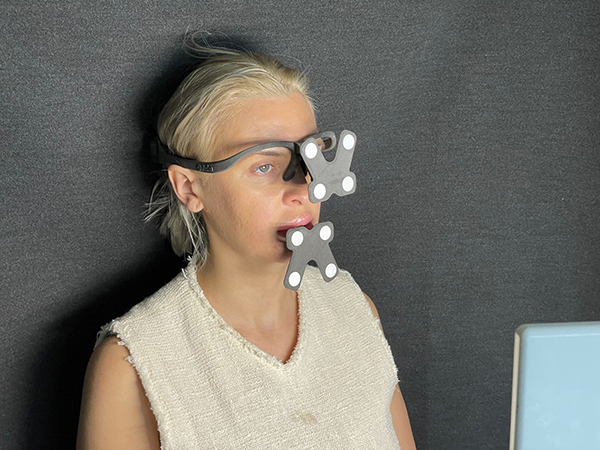
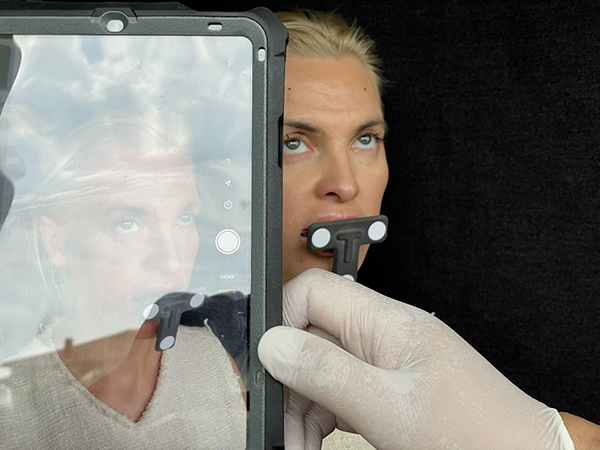
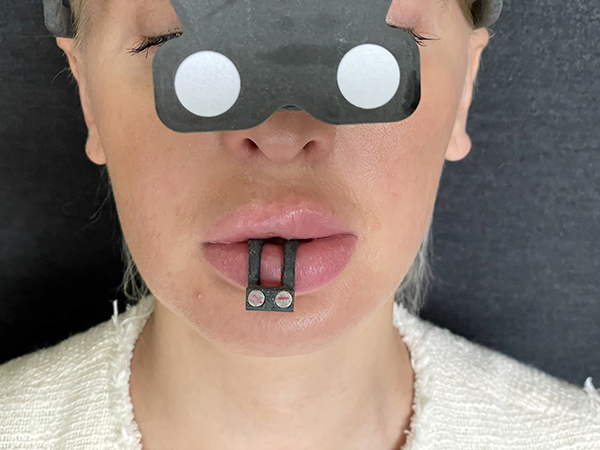
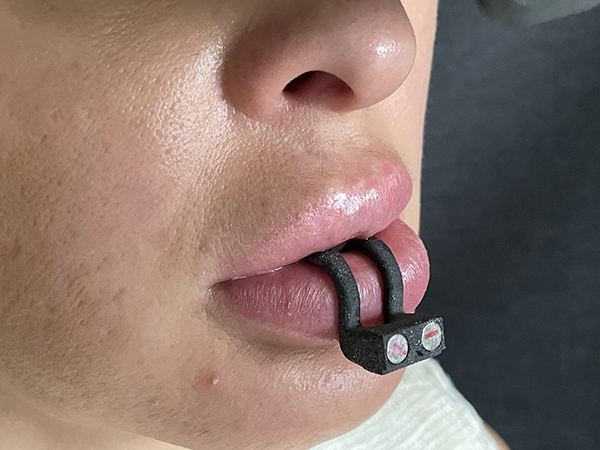
Study and digital recording of mandibular movements
Do you need information or want to book a visit? You can leave a message by filling in all the fields of the form. We will reply to you as soon as possible.